🌟호기심이 기억을 강화하는 이유
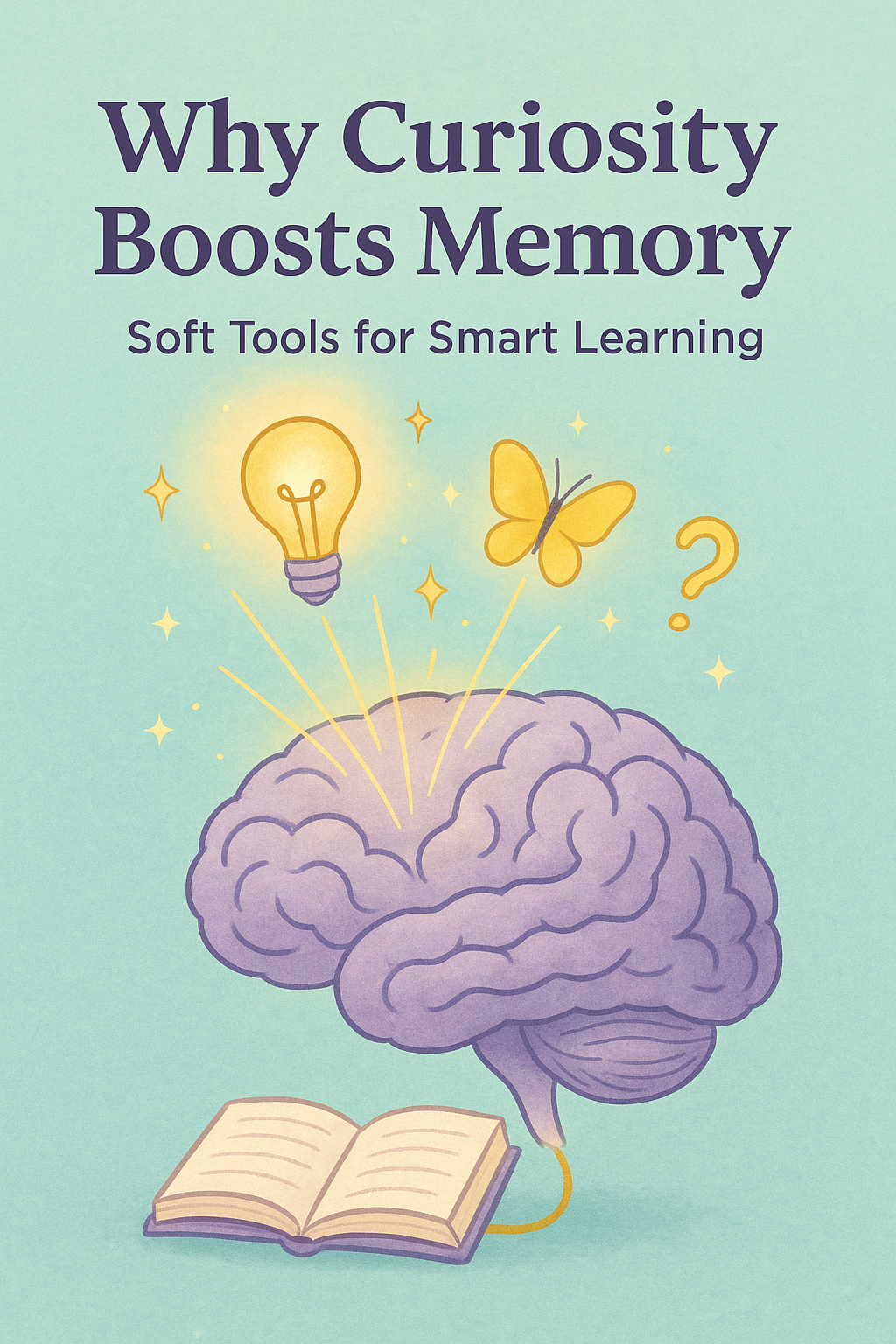
🌟Why Curiosity Boosts Memory
(호기심이 기억을 강화하는 이유)
✍️ Introduction
Have you ever noticed how easily you remember things you’re curious about?
A random fact about your favorite artist — or an English expression you found surprisingly funny — somehow stays in your head effortlessly.
That’s not a coincidence.
Curiosity literally changes how your brain learns.
우리가 ‘궁금한 것’은 이상하리만큼 오래 기억됩니다.
좋아하는 배우의 이름, 우연히 알게 된 영어 표현 같은 것들이죠.
그건 단순한 우연이 아닙니다.
호기심은 뇌를 깨우는 학습의 스위치이기 때문이에요.
🧠 1. The Science of Curiosity
When you’re curious, your brain releases dopamine, the same neurotransmitter associated with pleasure and reward.
This release strengthens the hippocampus — the part of your brain responsible for memory formation.
In other words, when curiosity is sparked, your brain tells itself:
“This matters. Pay attention. Remember this.”
호기심이 생기면, 뇌는 도파민(dopamine) 을 분비합니다.
도파민은 보상과 기쁨을 담당하는 신경전달물질로,
기억을 담당하는 해마(hippocampus) 를 활성화시킵니다.
즉, 호기심이 생길 때 뇌는 이렇게 말하는 셈이에요:
“이건 중요해. 집중해. 꼭 기억하자.”
이때 생긴 기억은 단순한 정보가 아니라, 감정과 연결된 지식으로 저장됩니다.
💡 2. Curiosity and the Reward System
Curiosity activates the brain’s reward system — especially the ventral tegmental area (VTA), which interacts directly with the hippocampus.
Studies show that when people are curious, they remember not only the answer to their question but also unrelated information learned right after.
That means curiosity doesn’t just help you learn — it opens a learning window in your brain.
호기심은 뇌의 보상 시스템(reward system) 을 자극하며,
그 중심에 있는 복측 피개부(VTA) 가 해마와 직접 소통합니다.
실험에 따르면, 호기심이 자극되면
우리는 “궁금했던 내용”뿐 아니라,
그 직후에 접한 다른 정보까지 함께 기억하는 경향이 있습니다.
즉, 호기심은 뇌 속에 “학습의 창문”을 여는 열쇠예요.
🌱 3. Educational Meaning (교육학적 의미)
▪ ① Learning begins with wonder
Before we can remember, we must first wonder.
호기심은 모든 학습의 출발점입니다.
“왜 그럴까?” 하는 작은 질문 하나가 거대한 지식의 문을 엽니다.
▪ ② Emotional connection to curiosity
Curiosity is emotional energy.
When we feel wonder, we also feel joy — and that emotion makes learning stick.
호기심은 감정의 에너지입니다.
‘알고 싶다’는 기쁨이 기억의 흔적을 깊게 남깁니다.
▪ ③ Teaching through questions, not answers
Great teachers (and self-learners) know this:
Don’t give the answer first — spark the question.
좋은 교사나 학습자는 먼저 정답을 말하지 않습니다.
대신 질문을 던져서, 뇌 속 도파민을 깨웁니다.
💬 “Curiosity is not a distraction from learning — it is learning.”
(호기심은 학습의 방해가 아니라, 학습 그 자체다.)
💭 MisoEnglish Reflection
Curiosity keeps the mind alive.
It’s the spark that turns information into discovery.
So next time you study English, don’t just memorize —
ask yourself, “Why does this sound this way?” or “Where does this word come from?”
호기심은 마음을 살아 있게 만드는 불씨입니다.
그 불씨가 켜질 때, 정보는 단순한 지식이 아니라 발견으로 바뀝니다.
다음에 영어를 공부할 때는 단순히 외우지 말고,
스스로에게 물어보세요.
“왜 이렇게 표현할까?”
“이 단어는 어디서 왔을까?”
그 순간, 영어는 ‘공부’가 아니라 탐험이 됩니다. 🌿
© MisoEnglish / Michelle Kim.
This is original content written by the author.
Unauthorized reproduction or full reposting is prohibited.
You may quote short parts only with clear credit and a link to the original post.
이 글은 작성자가 직접 집필한 오리지널 콘텐츠입니다.
전체 복제·무단 재게시를 금하며,
일부 인용 시에는 반드시 출처(MisoEnglish)와 링크를 남겨 주세요.