
- 분류 전체보기 (581)

| 일 | 월 | 화 | 수 | 목 | 금 | 토 |
|---|---|---|---|---|---|---|
| 1 | 2 | 3 | 4 | 5 | 6 | |
| 7 | 8 | 9 | 10 | 11 | 12 | 13 |
| 14 | 15 | 16 | 17 | 18 | 19 | 20 |
| 21 | 22 | 23 | 24 | 25 | 26 | 27 |
| 28 | 29 | 30 | 31 |
- 영어발음
- English in English
- 영어표현력
- pnr
- 영어시제
- 영어접속사
- 영어회화
- 느리지만단단하게
- 감성영어
- 영어문법
- SlowBlooms
- FareRules
- GrammarWithSoul
- ticketing
- misoenglish
- 영어를살다
- 영문법
- 생활영어
- booking
- everyday English
- 영어공부
- 언어의철학 #의미론 #화용론 #언어와사고 #언어의미학 #MisoEnglish #TheLanguageBeyondGrammar #영문학심화
- Basic English Verbs
- English Speaking Practice
- 🌿 English with Heart
- 영어표현
- MichelleKim
- 영어공부법
- AirlineOpsEnglish
- English for Korean Learners
- Today
- Total
MisoEnglish
🕊️기억의 예술 본문
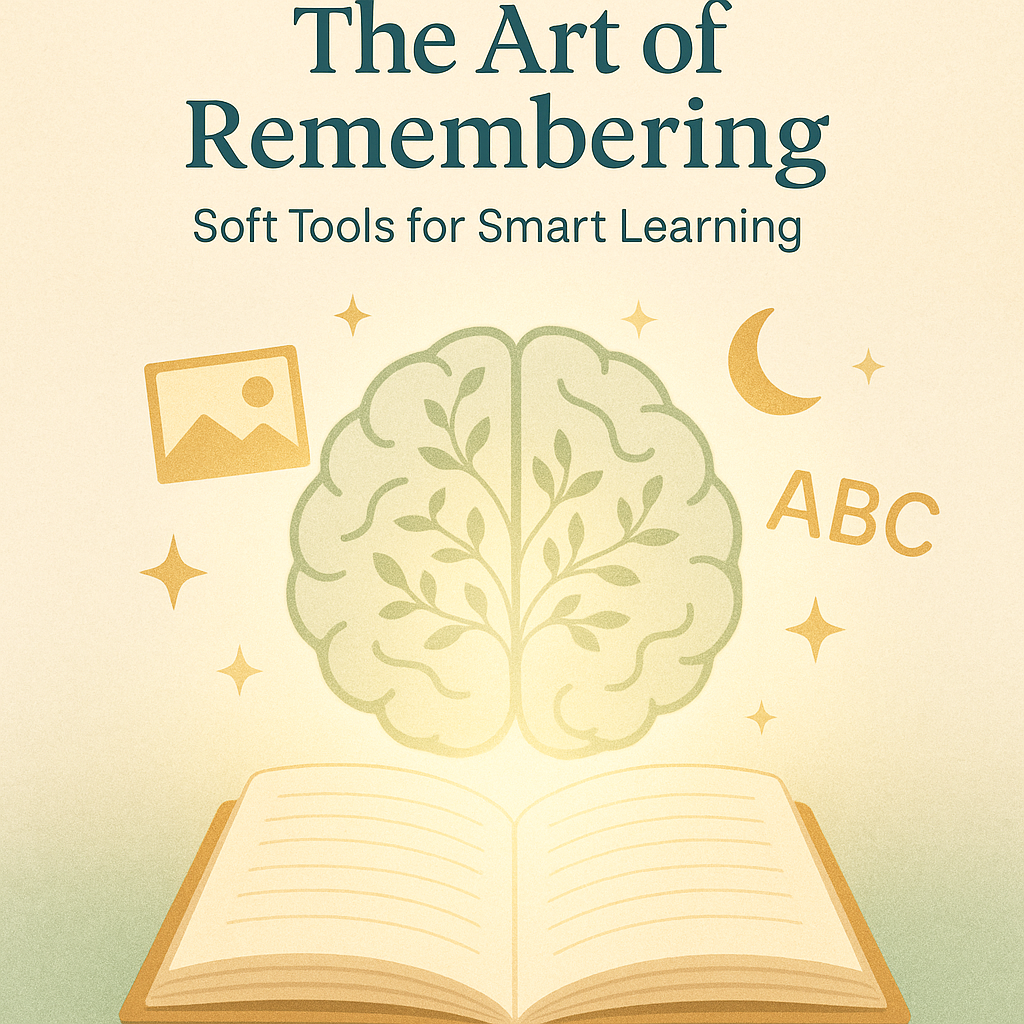
🕊️ The Art of Remembering
(기억의 예술)
✍️ Introduction
We live in an age of endless information — but how much do we really remember?
True learning is not about how much you read, but how deeply you connect.
Memory is not storage — it’s relationship.
정보가 넘쳐나는 시대에 살고 있지만,
정작 우리는 얼마나 오래 기억할까요?
진짜 배움은 얼마나 많이 읽었는가가 아니라,
얼마나 깊이 연결되었는가에 달려 있습니다.
기억은 단순한 ‘저장’이 아니라, 관계의 예술이에요.
💬 “Memory is not a warehouse; it’s a garden that needs care.”
(기억은 창고가 아니라, 돌봄이 필요한 정원이다.)
🧠 1. How the Brain Remembers
Memory begins in the hippocampus, which records experiences,
and moves to the neocortex for long-term storage.
But this process isn’t automatic — it depends on emotion and meaning.
뇌의 해마(hippocampus) 는 새로운 경험을 기록하고,
그 기억을 대뇌피질(neocortex) 로 옮겨 장기 저장합니다.
하지만 이 과정은 단순히 시간이 지나서 이루어지는 게 아니라,
감정과 의미의 강도에 따라 달라집니다.
🧩 The stronger the emotion, the deeper the memory.
(감정이 강할수록 기억은 깊어진다.)
🌿 2. Emotion and Connection
Our brain doesn’t remember isolated facts — it remembers stories.
That’s why you forget vocabulary lists, but remember the funny mistake you made in class.
Emotion turns information into narrative, and narrative turns into memory.
뇌는 ‘사실’보다 이야기를 기억합니다.
그래서 단어장을 아무리 외워도 금방 잊지만,
수업 시간에 실수했던 영어 표현은 오래 남는 거죠.
감정은 정보를 이야기로 바꾸고,
이야기는 기억으로 남습니다.
🌸 “What touches the heart, stays in the mind.”
(마음을 움직이는 것은 머릿속에 남는다.)
✨ 3. The Practice of Remembering
▪ ① Recall, not repeat
Memory grows when you retrieve, not just re-read.
Try closing your book and recalling from memory — that’s where learning solidifies.
기억은 ‘되풀이’보다 ‘회상’할 때 강해집니다.
책을 덮고 스스로 떠올리는 연습이 진짜 학습이에요.
▪ ② Link the new to the known
Connect what you learn to what you already know —
the brain loves associations.
새로운 정보를 기존의 지식, 감정, 경험과 연결하세요.
뇌는 연결될 때 비로소 안정감을 느낍니다.
▪ ③ Teach to remember
Explaining something to others activates deep understanding.
가장 확실한 복습은 ‘가르치는 것’입니다.
남에게 설명할 때, 내 머릿속 구조가 명확해집니다.
🪶 “We remember best what we understand deeply.”
(깊이 이해한 것만이 오래 남는다.)
🌷 4. Remembering with Love
Learning with warmth makes memory kind.
When we learn not for fear, but for curiosity and meaning,
our memory becomes not just strong — but beautiful.
따뜻한 마음으로 배우면, 기억도 따뜻해집니다.
두려움이 아닌 호기심으로, 점수보다 의미로 배울 때,
우리의 기억은 단단할 뿐 아니라, 아름답게 남습니다.
💭 “Learn gently. Remember deeply.”
(부드럽게 배우고, 깊이 기억하세요.)
© MisoEnglish / Michelle Kim.
This is original content written by the author.
Unauthorized reproduction or full reposting is prohibited.
You may quote short parts only with clear credit and a link to the original post.
이 글은 작성자가 직접 집필한 오리지널 콘텐츠입니다.
전체 복제·무단 재게시를 금하며,
일부 인용 시에는 반드시 출처(MisoEnglish)와 링크를 남겨 주세요.
'English Mechanism > English Blueprint' 카테고리의 다른 글
| 🌿 일관성의 힘 – 왜 동기 부여보다 중요한가 (0) | 2025.10.24 |
|---|---|
| 🌿부드럽게 뇌를 훈련시키는 법 (0) | 2025.10.22 |
| 🌙 스트레스, 집중, 그리고 몰입의 균형 (0) | 2025.10.22 |
| 🌸 오감으로 배우는 법 (0) | 2025.10.22 |
| 🌿메타인지와 자기 성찰의 힘 (0) | 2025.10.22 |


