
- 분류 전체보기 (580)

| 일 | 월 | 화 | 수 | 목 | 금 | 토 |
|---|---|---|---|---|---|---|
| 1 | 2 | 3 | 4 | 5 | 6 | |
| 7 | 8 | 9 | 10 | 11 | 12 | 13 |
| 14 | 15 | 16 | 17 | 18 | 19 | 20 |
| 21 | 22 | 23 | 24 | 25 | 26 | 27 |
| 28 | 29 | 30 | 31 |
- 생활영어
- English for Korean Learners
- 영어회화
- 영어접속사
- ticketing
- 영어표현력
- 영어시제
- 느리지만단단하게
- 영어표현
- 🌿 English with Heart
- 영어문법
- 영어공부
- SlowBlooms
- AirlineOpsEnglish
- misoenglish
- English Speaking Practice
- booking
- 영어를살다
- 영어발음
- everyday English
- FareRules
- Basic English Verbs
- pnr
- 영문법
- 감성영어
- MichelleKim
- GrammarWithSoul
- English in English
- 영어공부법
- 언어의철학 #의미론 #화용론 #언어와사고 #언어의미학 #MisoEnglish #TheLanguageBeyondGrammar #영문학심화
- Today
- Total
MisoEnglish
🧠 뇌는 어떻게 배우는가: 논리와 감성이 만날 때 본문
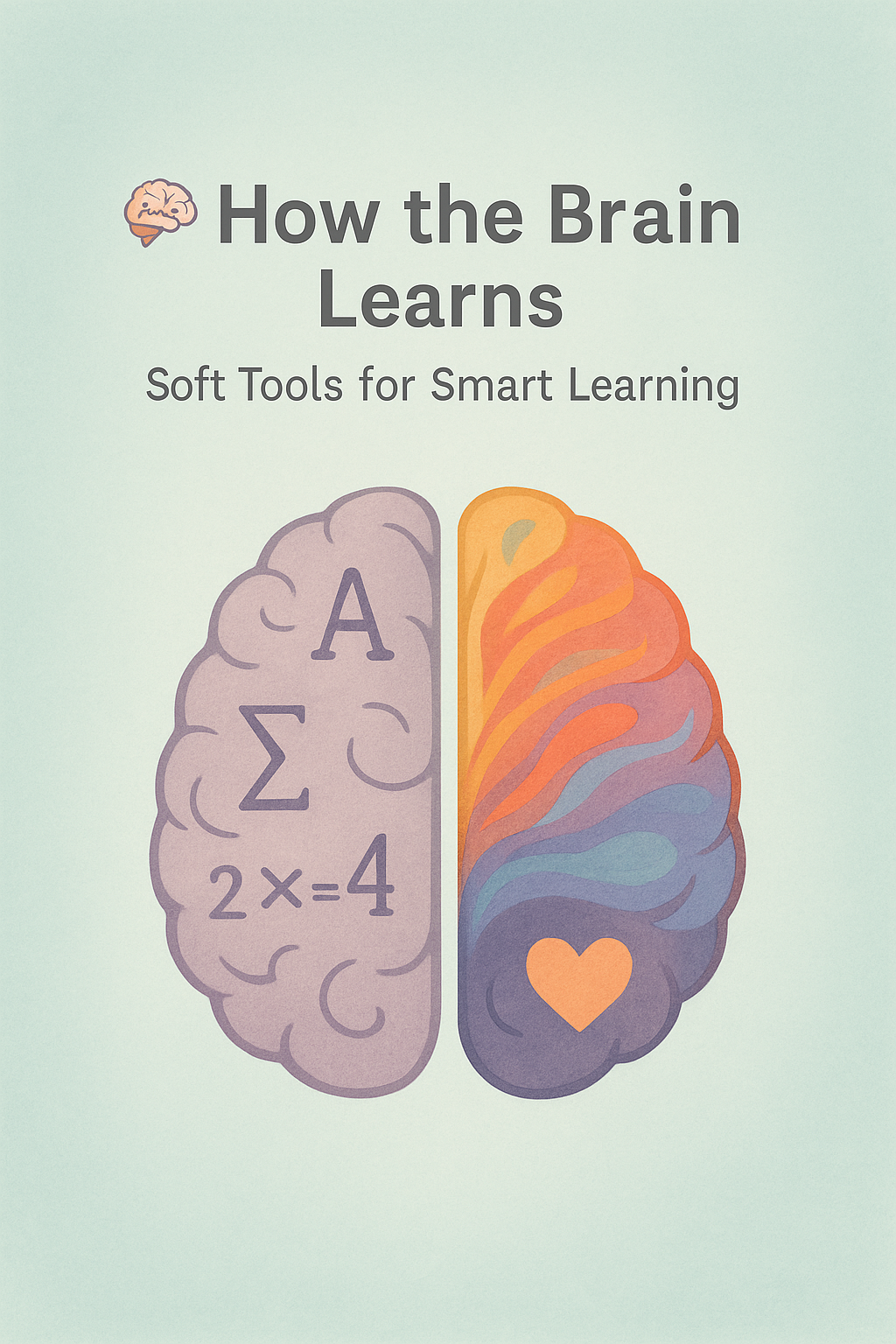
🧠 How the Brain Learns: When Logic Meets Emotion
(뇌는 어떻게 배우는가: 논리와 감성이 만날 때)
✍️ Introduction
We often think learning is all about memory and effort.
But science shows that how we learn depends deeply on how our brain integrates logic and emotion.
Learning isn’t only a mental process — it’s also emotional.
When your brain’s logical and emotional sides work together, learning becomes smarter, deeper, and more enjoyable.
우리는 흔히 ‘공부’가 암기와 노력의 문제라고 생각합니다.
하지만 실제로 배움의 본질은 논리와 감성의 조화에 있습니다.
배움은 단순히 머리로만 하는 것이 아니라, 마음으로 느끼는 과정이기도 합니다.
🧩 1. The Structure of the Brain (뇌의 기본 구조)
Our brain has three main parts:
1️⃣ Cerebrum (대뇌) — handles thinking, reasoning, memory, and language.
2️⃣ Cerebellum (소뇌) — controls balance, movement, and learned physical skills.
3️⃣ Brainstem (뇌간) — keeps us alive by controlling heartbeat, breathing, and basic life functions.
우리의 뇌는 크게 세 부분으로 나뉩니다.
1️⃣ 대뇌는 사고, 판단, 기억, 언어 등 고등 기능을 담당합니다.
2️⃣ 소뇌는 균형감각과 움직임, 반복된 행동의 자동화를 담당합니다.
3️⃣ 뇌간은 호흡, 심박수 같은 생명 유지 기능을 조절합니다.
⚖️ 2. Left Brain vs Right Brain (좌뇌와 우뇌의 역할)
| Main role | Logic, language, analysis | Emotion, intuition, creativity |
| Learning style | Step-by-step, rule-based | Visual, emotional, holistic |
| Best for | Grammar, math, logical writing | Art, music, storytelling |
좌뇌는 논리와 언어, 우뇌는 감정과 직관을 담당합니다.
학습에서 진정한 효과는 이 둘이 조화롭게 작동할 때 나타납니다.
👉 For example, when studying English:
- Use your left brain to understand grammar rules,
- But let your right brain feel the rhythm, tone, and emotion behind the words.
예를 들어, 영어를 배울 때
- 좌뇌는 문법 규칙을 이해하고,
- 우뇌는 문장의 리듬과 감정을 느껴야 합니다.
이 두 가지가 연결될 때 영어는 ‘지식’이 아닌 ‘감각’으로 자리 잡습니다.
💓 3. The Emotional Brain (감정의 뇌)
Our emotions are controlled by the limbic system — especially the amygdala and hippocampus.
- 🧠 Amygdala (편도체): processes fear, stress, and emotional intensity.
- Too much anxiety blocks learning.
- 🧠 Hippocampus (해마): builds long-term memory.
- Calm and positive feelings help memory stick.
감정의 중심은 변연계이며, 특히 편도체와 해마가 중요한 역할을 합니다.
- 편도체는 공포나 불안을 담당하지만, 과도하게 활성화되면 학습이 방해됩니다.
- 해마는 기억을 저장하며, 안정된 감정일수록 학습 효율이 높아집니다.
💡 Emotion opens the door to learning.
감정은 배움의 문을 여는 열쇠입니다.
🎓 4. Educational Insight (교육학적 의미)
① Emotion + Logic = Deep Learning
When a learner connects feelings to logic, the brain’s pathways become stronger.
감정이 논리와 연결될 때, 뇌의 회로는 더 단단히 연결됩니다.
② Safe Emotional Space
Feeling safe and calm activates the hippocampus and improves memory.
‘실수해도 괜찮다’는 심리적 안정감이 뇌의 학습 효율을 높입니다.
③ Metacognition (메타인지)
The prefrontal cortex helps you reflect on your own thinking —
“Do I really understand this?”
이성적 사고를 담당하는 전두엽은 자기 성찰의 기능을 합니다.
“나는 이걸 정말 이해했는가?”라는 질문이 곧 배움의 출발점입니다.
🌿 5. MisoEnglish Reflection
“The logical brain understands the rules,
but the emotional brain remembers the experience.”
논리적 뇌는 규칙을 이해하지만,
감성적 뇌는 경험을 기억합니다.
이 두 가지가 만날 때, 비로소 진짜 배움이 일어납니다.
So next time you study English,
don’t just analyze — feel it.
Let your brain learn with both reason and emotion. 🌸
© MisoEnglish / Michelle Kim.
This is original content written by the author.
Unauthorized reproduction or full reposting is prohibited.
You may quote short parts only with clear credit and a link to the original post.
이 글은 작성자가 직접 집필한 오리지널 콘텐츠입니다.
전체 복제·무단 재게시를 금하며,
일부 인용 시에는 반드시 출처(MisoEnglish)와 링크를 남겨 주세요.
'English Mechanism > English Blueprint' 카테고리의 다른 글
| 🌟호기심이 기억을 강화하는 이유 (0) | 2025.10.22 |
|---|---|
| 💓 감정은 학습의 문을 여는 열쇠 (0) | 2025.10.22 |
| ✍️ 손글씨는 정말로 뇌를 다시 연결할까? (0) | 2025.10.22 |
| 🌿 영어학습의 성공 심리학 - Your Accent Is Your Story (0) | 2025.10.22 |
| 🌿 영어학습의 성공 심리학 - Confidence Before Perfection (0) | 2025.10.22 |


